By Marco Antoima – The Culinary Chronicle
Black walnuts are not just nuts; they are a story waiting to be cracked open. Their deep, earthy flavor is unlike any other walnut, bold and slightly bitter with a hint of smoke, a taste that carries the essence of the soil and the forest. For those who grew up with them, the memory of harvesting and cracking black walnuts is as vivid as the taste itself, an autumn ritual that connects us to the land and to each other.
These nuts have been enjoyed for centuries. Native to North America, the black walnut tree has long been valued not only for its timber but for the rich, dark nuts it produces. Early settlers and indigenous peoples alike harvested the nuts, often taking advantage of their natural abundance in the forests. They were prized for their flavor and for their ability to be stored through winter, a source of nutrition when fresh foods were scarce.
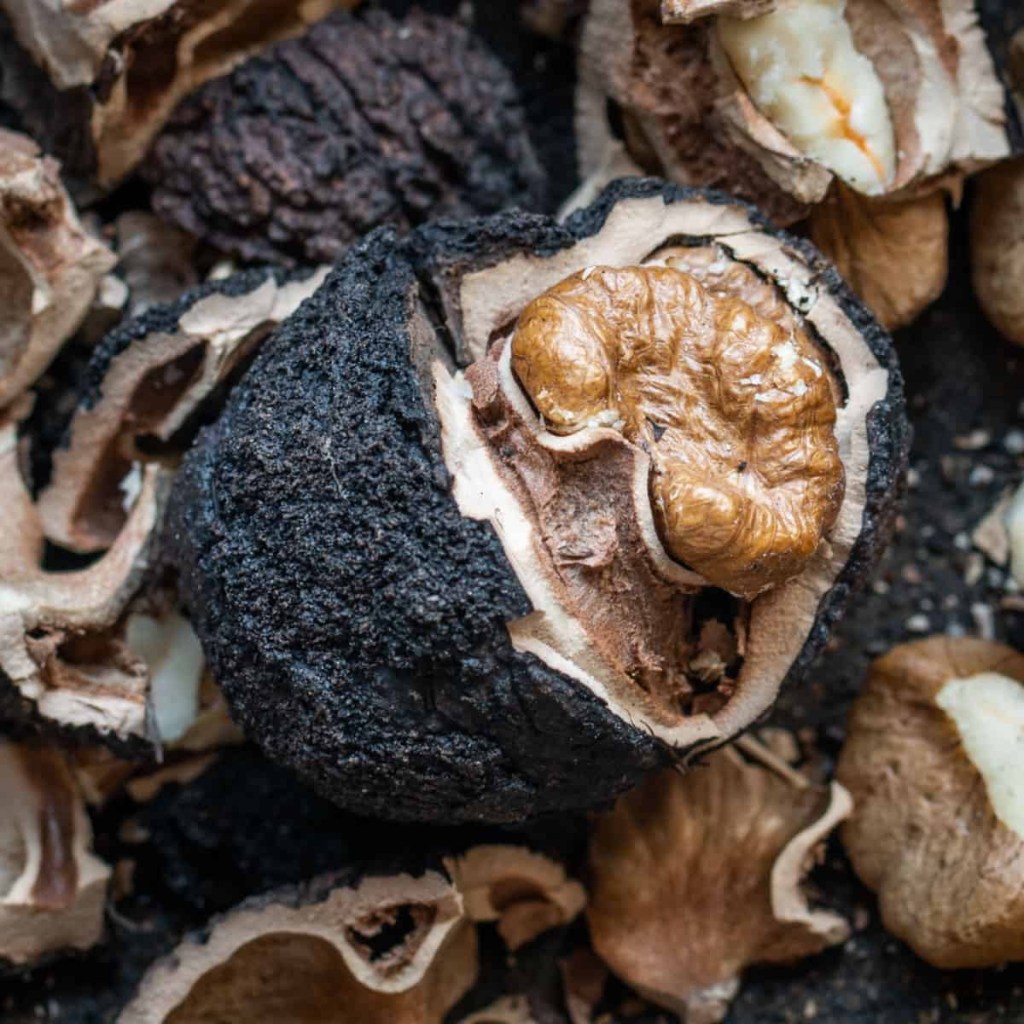
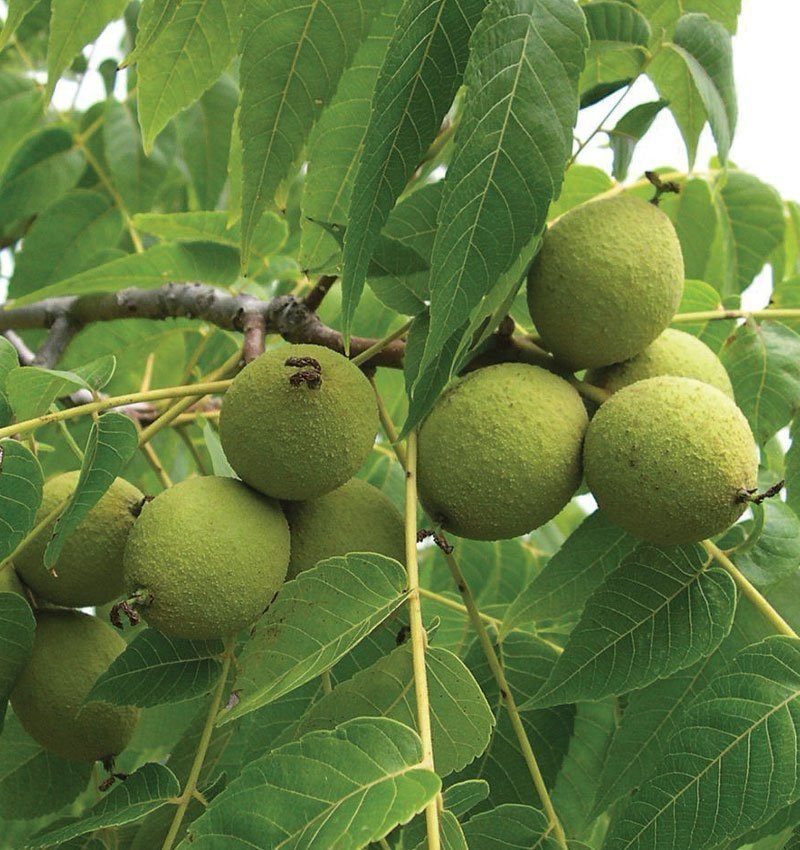
Harvesting black walnuts is a labor of love. The outer green husks must be removed, the nuts dried, and the hard shells carefully cracked to reveal the prized kernel inside. It is a process that requires patience and respect, each step demanding attention, much like life itself. The effort rewards the senses: the aroma of fresh black walnuts is intoxicating, the flavor deep and complex, a perfect balance of earth, smoke, and richness.
In kitchens today, black walnuts are versatile. They can be added to breads, cookies, and cakes, stirred into salads, or simply eaten by the handful. Their presence transforms a dish, giving it depth, texture, and a connection to the seasons. There is a groundedness in black walnuts, a reminder of the quiet forests they come from and the time it takes for nature to create something truly unique.
For me, black walnuts carry memories of autumn walks, hands stained with the dark husks, the satisfying crack of shells, and the taste that lingers long after the nut is gone. They are more than food; they are a testament to patience, to nature’s generosity, and to the quiet magic that exists in the ordinary.
Thank you for reading, Marco.
Photos sourced from the web.
 The Culinary Chronicle
Leave a comment