By Marco Antoima – The Culinary Chronicle
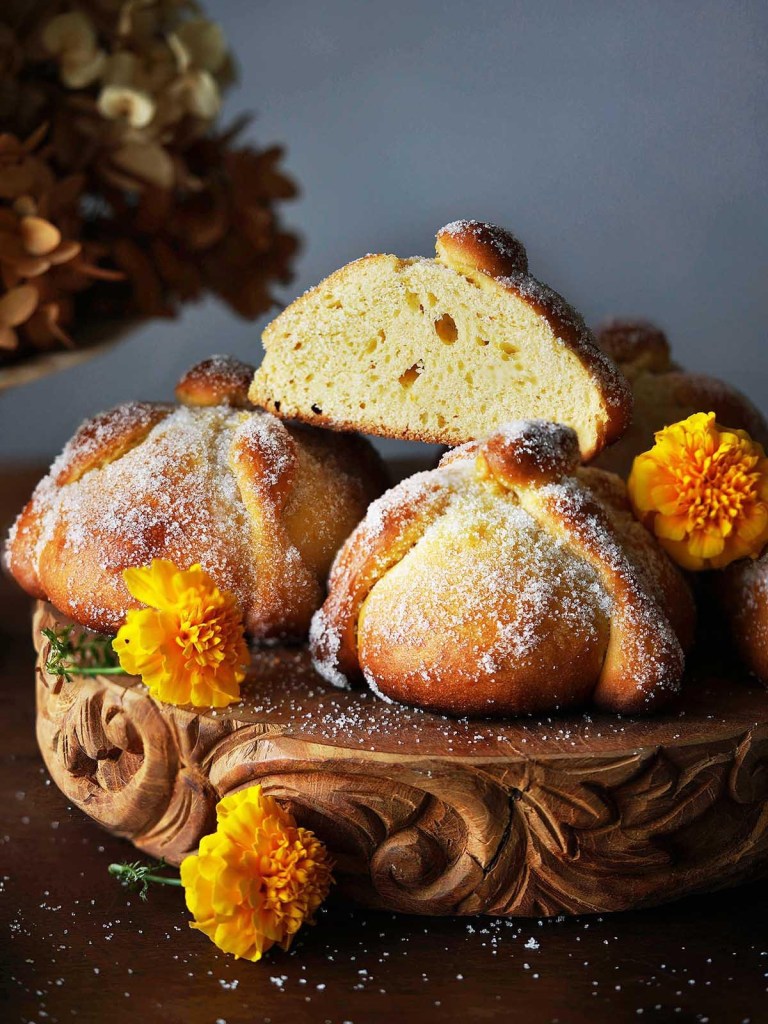
Even though I didn’t grow up with pan de muerto, celebrating Día de los Muertos has become a special ritual for me in recent years. Every year, I bake a few loaves to leave on the altar, gift to friends, and savor myself. The soft, pillowy bread, lightly sweetened and scented with orange blossom and anise, fills the kitchen with a warmth that feels like a bridge between cultures and generations. It is simple, yet every bite carries centuries of history, memory, and tradition.
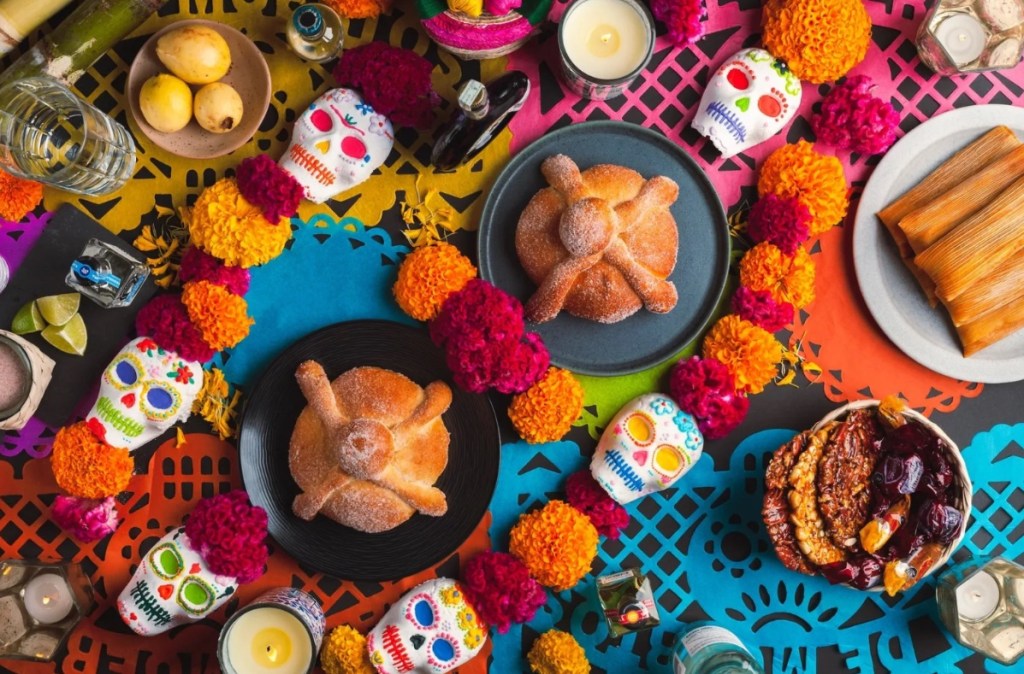
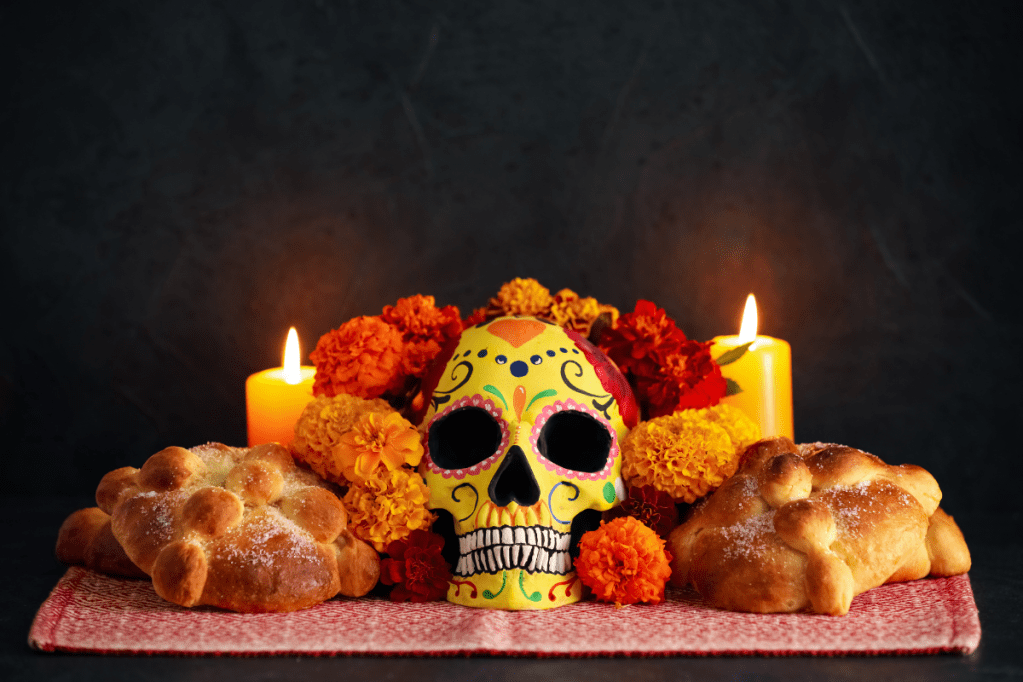
Pan de muerto has a rich history that traces back to pre-Hispanic times in Mexico. Long before the arrival of Europeans, indigenous communities honored their ancestors with offerings of food, including various forms of bread and corn-based treats. After colonization, Spanish influences introduced wheat and sugar, transforming these traditional offerings into the sweet, round bread we know today. Over time, this bread became a central part of Día de los Muertos celebrations, connecting families across generations through its aroma, flavor, and ritual significance.
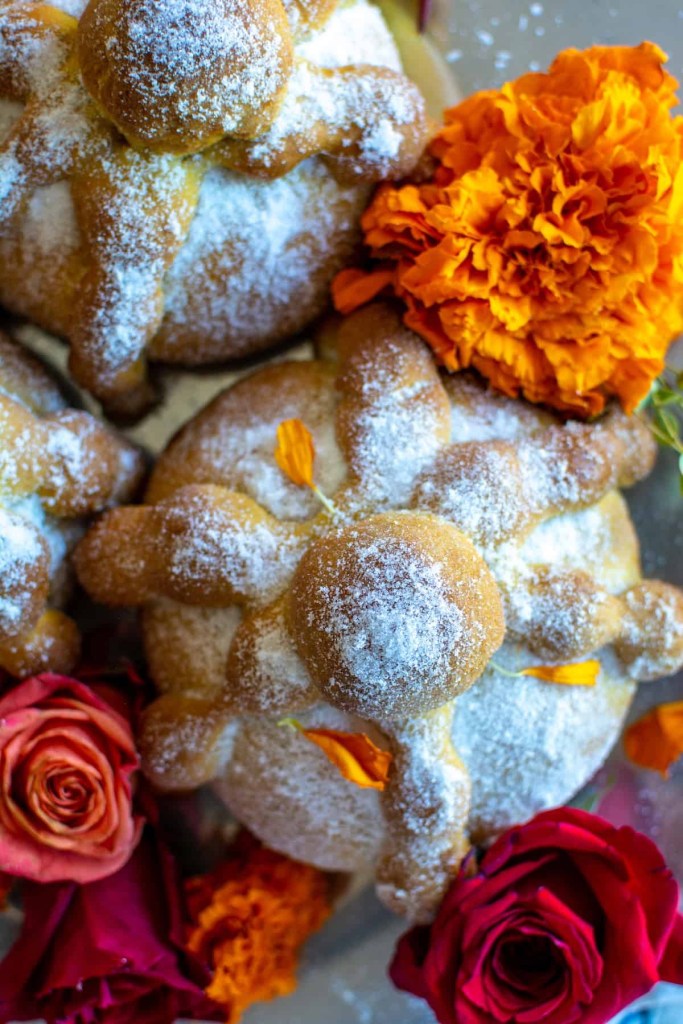
Pan de muerto is more than a bread; it is a symbol. The round shape represents the cycle of life, while the small pieces on top, resembling bones, honor those who have passed. The sugar sprinkled on the surface reflects the sweetness of life itself, and the aromatic orange and anise infuse it with fragrance that awakens the senses and invites reflection. Though this tradition is not my own by birth, I feel a connection to it that resonates with my own love for family, ancestors, and the act of gathering around food to honor those who came before us.
Baking pan de muerto is an act of mindfulness and care. Kneading the dough, letting it rise, shaping the “bones,” and brushing it with butter before sprinkling sugar is a labor that requires attention, patience, and intention. Each loaf becomes a small offering, a gift, and a shared experience that brings people together. Its flavor is comforting, nostalgic, and sweet, but also deeply cultural, reminding us that food is a vessel for stories, memory, and connection.
Have you ever made or tasted pan de muerto? How did it make you feel, or what memories did it awaken?
Share your experiences in the comments!
Thanks for reading, Marco.
Photos sourced from the web.
 The Culinary Chronicle
Leave a comment