By Marco Antoima – The Culinary Chronicle
Cardamom has a way of making its presence known without ever raising its voice. Its perfume is sweet yet bold, floral yet warm, and it lingers in the memory long after the last sip or bite. This small green pod has traveled through centuries and across continents, finding a home in kitchens and hearts from India to Scandinavia.
In India, cardamom is an essential note in the melody of chai. Alongside cinnamon, cloves, ginger, and black tea, it brings a floral brightness that lifts the richness of the drink, making each cup feel like both comfort and celebration. In masala chai, it is the whisper that ties the spices together, the fragrance that greets you before the first taste.
Ancient civilizations prized cardamom not only for its flavor, but for its medicinal and ceremonial qualities. It was believed to refresh the spirit, heal the body, and even bring good fortune. As it traveled through trade routes, it became a symbol of hospitality, luxury, and care, appearing in sweet and savory dishes, breads, desserts, and aromatic coffees across the world. In Scandinavia, it warms winter breads and pastries; in the Middle East, it adds depth to spiced coffees. Its subtle magic lies in how it elevates everything around it without overpowering, a quiet yet unforgettable presence.
Whether tucked into a spiced bread, stirred into a pot of fragrant rice, or ground into a smooth dessert cream, cardamom always feels like a touch of luxury. Its price once made it a treasure of trade routes, a gift fit for kings, and today it remains one of the most prized spices in the world.
What does cardamom remind you of?
Thanks for reading, Marco.
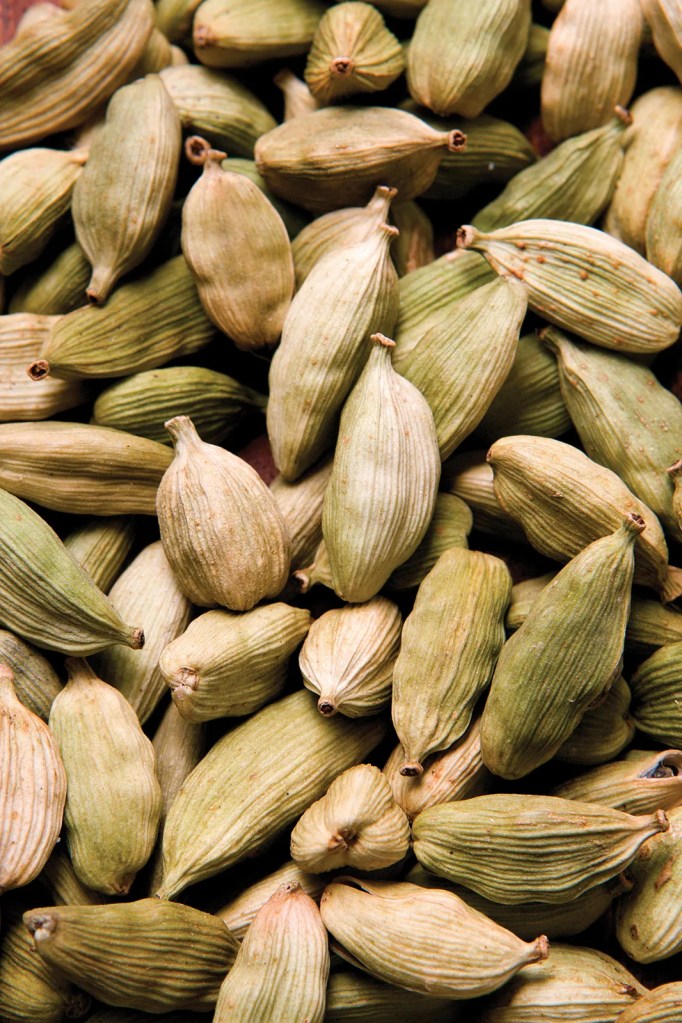
Photo sourced from Britannica
 The Culinary Chronicle
Leave a comment