By Marco Antoima – The Culinary Chronicle
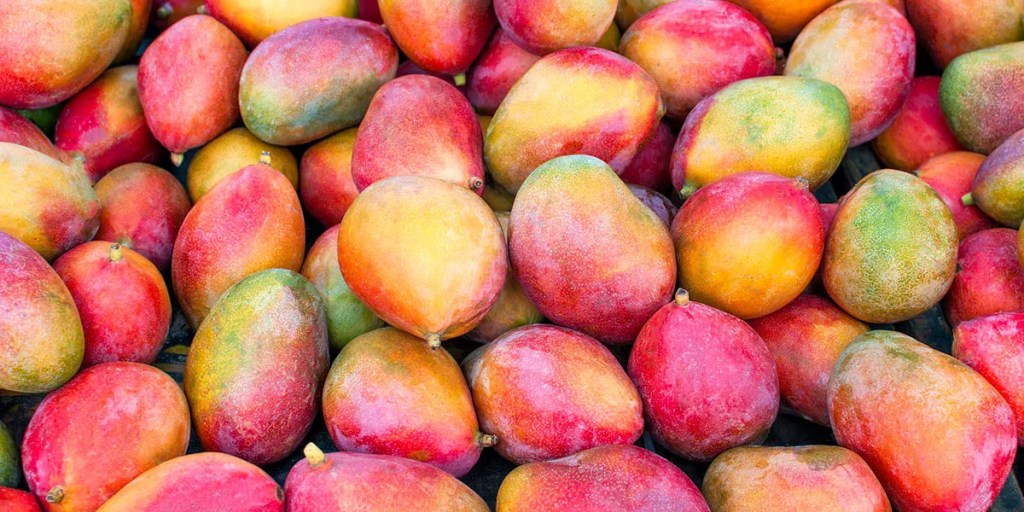
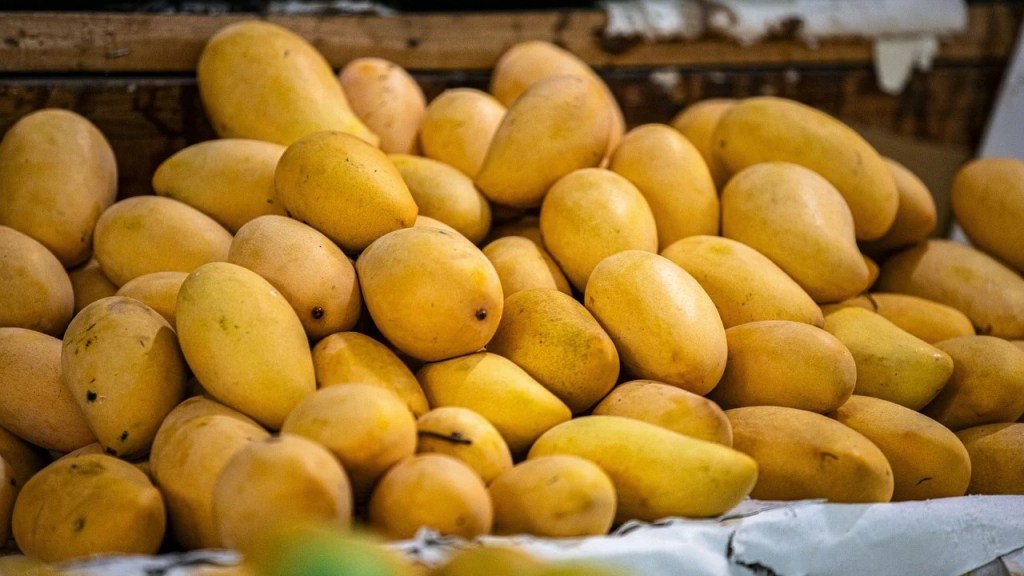
The mango is more than a fruit; it is a promise of sunshine. Its golden flesh holds the sweetness of warm afternoons, the perfume of distant orchards, and the joy of juice running down your fingers. For many, the first bite of mango is not just about flavor, but about memory: childhood summers, family gatherings, or travels where the air was thick with the scent of ripening fruit.
I grew up with mango trees in my own backyard in Caracas. Even though it is a city, mango trees are everywhere, their branches heavy with fruit in the warm season. People pick them straight from the tree, and in my house we had a few that gave us a generous harvest year after year. For me, mango should be eaten with the hands only. The skin peels away easily without a knife, and there is nothing more satisfying than biting into the flesh as the juice drips down your arms. To have the privilege of growing up with mangos and eating them fresh from the tree is a rare gift. Mango is one of my favorite fruits, if not my very favorite, not only for its taste but for its richness and versatility.
Native to South Asia, the mango has traveled the globe for thousands of years, carried by traders, explorers, and migrants. In India, it is revered as the “king of fruits,” celebrated in poetry, art, and mythology. Mango trees appear in ancient Sanskrit texts and temple carvings, symbols of love, prosperity, and fertility. The Mughal emperors cultivated vast mango orchards, gifting baskets of the finest varieties as tokens of favor.
As it spread across the world, the mango found a place in countless culinary traditions. In the Philippines, green mango is paired with salt or shrimp paste for a bright, tangy snack. In Mexico, it is sprinkled with chili and lime, a perfect balance of heat and sweetness. In the Caribbean, it finds its way into chutneys, salsas, and refreshing drinks that taste like sunshine in a glass.
Beyond its versatility, the mango offers a lesson in patience and reward. The tree can take years to bear fruit, yet once it does, its bounty is abundant. A single tree can feed generations, its shade and sweetness woven into the rhythms of life.
For me, cutting into a mango; or better yet; peeling it with my hands, is a small act of joy. The scent that rises as the skin comes away, the burst of flavor that feels like summer itself, and the connection to my roots in Caracas all make it more than just food. It is memory, heritage, and pure happiness in each bite.
Thanks for reading, Marco.
Photos sourced from the web
 The Culinary Chronicle
Leave a comment