By Marco Antoima – The Culinary Chronicle
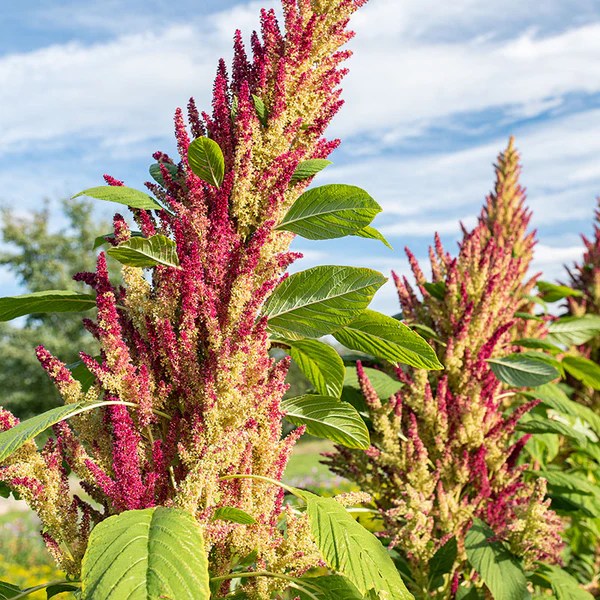
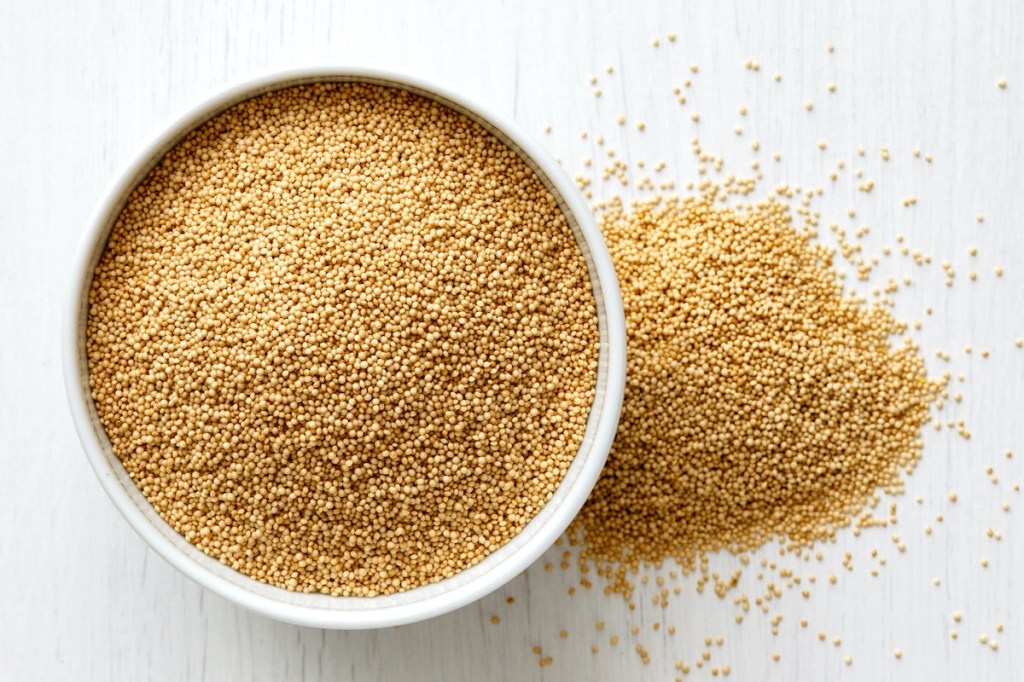
Long before wheat, rice, or corn took center stage in kitchens around the world, there was amaranth. Tiny, golden seeds no bigger than a pinhead, yet carrying the weight of empires and the promise of sustenance. To the Aztec and Inca civilizations, amaranth was more than food; it was a sacred offering, a symbol of immortality, and a bridge between the human and the divine.
Its name, from the Greek amarantos, “unfading”, speaks to its resilience. Amaranth grows where other crops falter, thriving in poor soil and harsh climates. In the hands of ancient cooks, it became everything from nourishing porridge to intricate festival confections mixed with honey. For warriors, it was a source of strength; for priests, an ingredient in rituals that bound communities together.
Colonization sought to erase it. Spanish conquistadors, wary of its ceremonial uses, banned its cultivation, but amaranth refused to disappear. It lingered in hidden gardens, kept alive by those who understood its value, a quiet act of resistance sown from seed to seed.
Today, amaranth is reemerging in kitchens around the globe. Gluten-free and rich in protein, it’s finding its way into breads, granolas, and even decadent desserts. Yet its beauty is not just in nutrition, but in the reminder it carries: that some things endure not because they are the loudest or the most celebrated, but because they are woven so deeply into the memory of a people that they cannot be forgotten.
Cooking with amaranth feels like honoring that persistence. Each spoonful connects us to centuries of care and survival, to the farmers who coaxed these seeds from the earth, to the ancestors who knew that food is as much about the spirit as it is about the body.
Have you ever cooked with amaranth, or tasted it in a dish that stayed with you? Share your story in the comments below!
Thanks for reading, Marco.
Photos sourced from the web
 The Culinary Chronicle
Leave a comment