By Marco Antoima – The Culinary Chronicle
Tamarind, with its dark, sticky pulp and tangy-sweet aroma, is a flavor that instantly transports you. Its taste is a delicate balance of sour and sweet, sharp yet comforting, capable of awakening the senses while carrying a memory of sun-soaked landscapes and bustling markets. Originating in Africa and spreading through India, Southeast Asia, and Latin America, tamarind has been cherished for centuries not only as food, but as medicine, preservative, and even a symbol of hospitality and celebration.
In many cultures, tamarind is woven into daily life. In India, it flavors tangy chutneys and cooling drinks, while in Mexico, it appears in candies, aguas frescas, and savory sauces. In Thailand, it enriches pad Thai and soups, and in West Africa, it adds brightness to stews and marinades. Each use reflects a story, a tradition, and a way of honoring the land and the fruit it provides. Tamarind’s deep brown pulp is more than a flavoring; it is a bridge across continents, connecting communities through taste and ritual.
Working with tamarind is an intimate experience. Extracting the pulp from its pod or softening it to make a paste requires patience, hands-on care, and a respect for the ingredient’s natural intensity. Its aroma is intoxicating; a reminder that some of the most transformative flavors come from ingredients that demand attention and time. Cooking with tamarind invites creativity, encouraging the balance of sweet, sour, and savory in ways that surprise and delight.
For me, tamarind is a memory and a journey all at once. Its sharp-sweet notes recall childhood snacks, markets filled with laughter, and dishes that warmed the heart. Every bite carries history, culture, and a connection to the hands that harvested and prepared it. Tamarind reminds me that food is not just nourishment, but a way to honor heritage, evoke memory, and create joy across generations.
Has the tang of tamarind ever reminded you of a place, a person, or a memory? Share your story in the comments!
Thanks for reading, Marco.
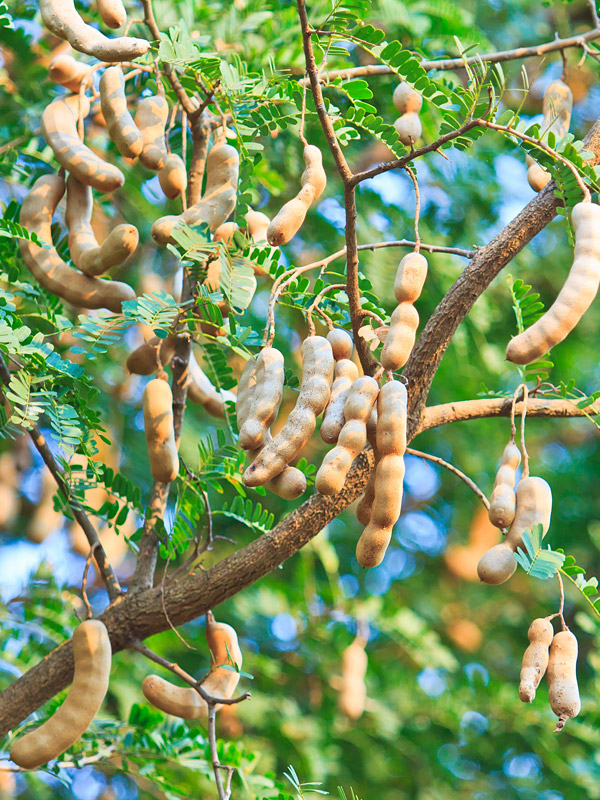
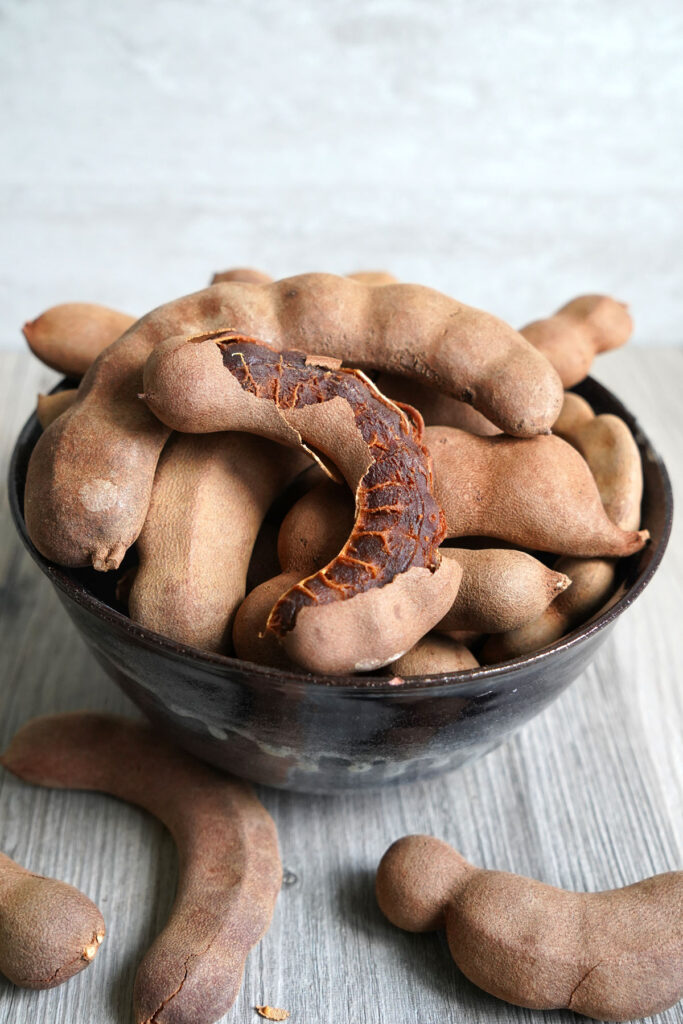
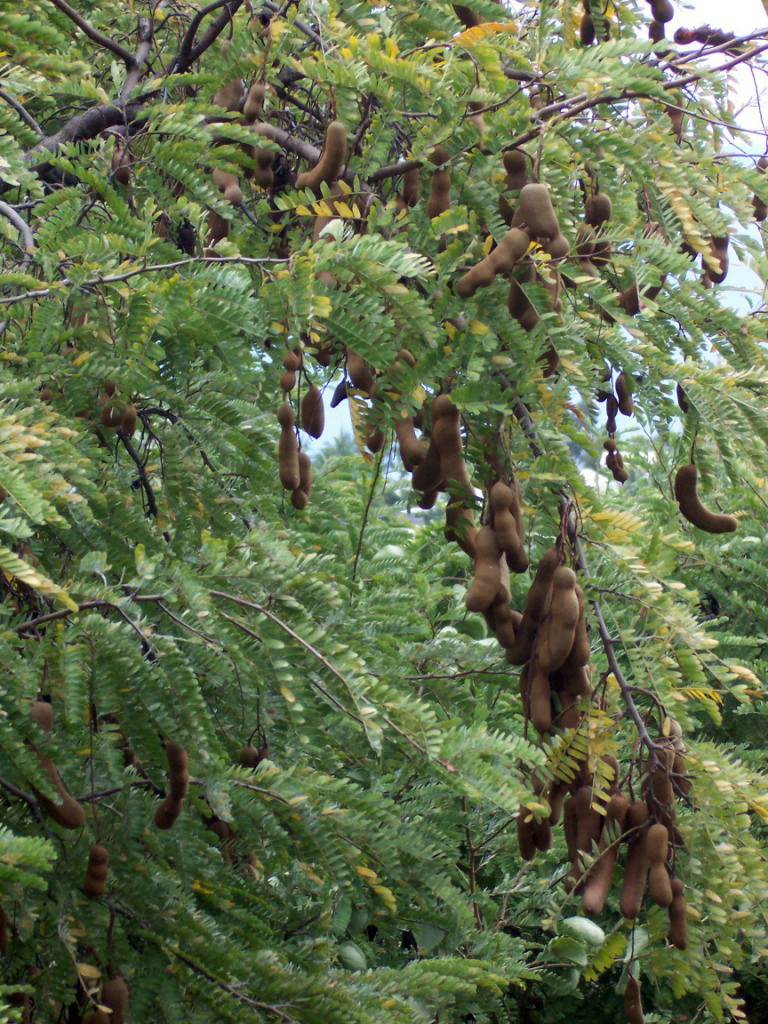
Photos sourced from the web
 The Culinary Chronicle
Leave a comment