By Marco Antoima – The Culinary Chronicle
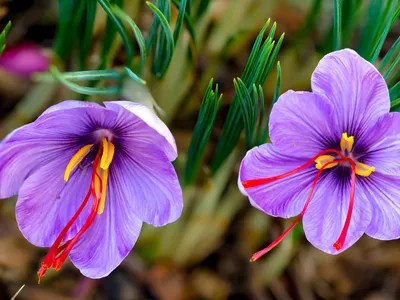
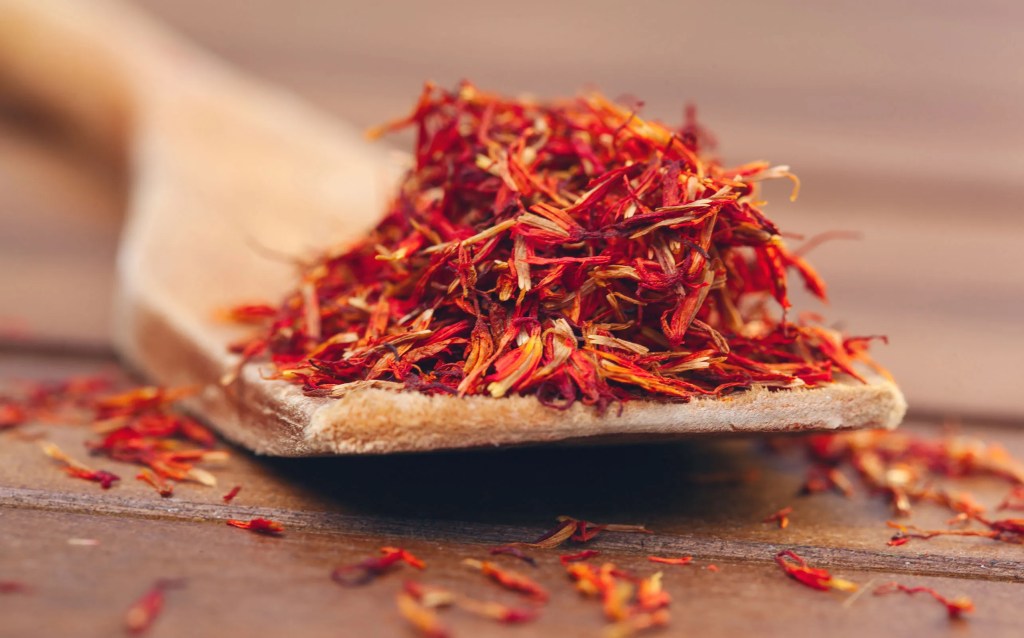
Saffron, with its fiery red threads and golden hue, is a spice that carries both luxury and history in equal measure. It begins in the ancient lands of Persia, where it was revered not only for its vibrant color, but for its medicinal, culinary, and symbolic value. From royal tables to sacred rituals, saffron has long been a marker of celebration, wealth, and devotion. The delicate stigmas of the crocus flower, harvested by hand, transform dishes into treasures and infuse them with a warmth that seems almost magical.
Across the Mediterranean and into South Asia, saffron became an ingredient that bridges cultures and generations. It flavors Persian pilafs, Spanish paellas, Indian biryanis, and North African desserts, each dish reflecting centuries of trade, adaptation, and love for this precious spice. Its aroma, earthy yet floral, has a way of transporting anyone who encounters it to distant kitchens and bustling markets, to ceremonies filled with laughter, music, and the scent of celebration.
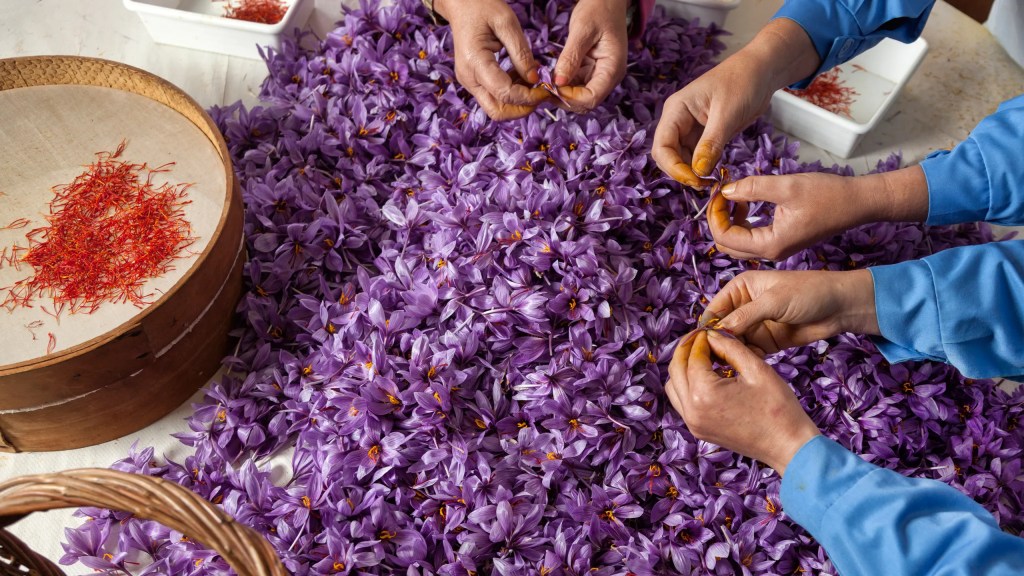
Saffron’s cultivation is an act of devotion. Each flower blooms for just a few days, and every delicate stigma must be hand-picked, a painstaking process that rewards care with unmatched beauty and flavor. The spice’s rarity and value remind us of the dedication required to preserve tradition, and of the human connection to the land and its cycles. Farmers, often working in harsh climates, maintain ancient methods passed down through generations, sustaining both the spice and the stories it carries.
Cooking with saffron is like holding a sunbeam in your hands. A pinch can color a dish, enrich a flavor, and awaken memory. It evokes moments of joy, gatherings with family, or the quiet awe of watching a golden hue spread through a simmering pot. Saffron reminds us that food is not just nourishment, but a way to connect across time, place, and culture.
What about you? Have you ever experienced a flavor or aroma that transported you to another time or place? Share your saffron stories in the comments.
Thanks for reading, Marco.
Photos sourced from Britannica & Condé Nast Traveler
 The Culinary Chronicle
Leave a comment