By Marco Antoima – The Culinary Chronicle
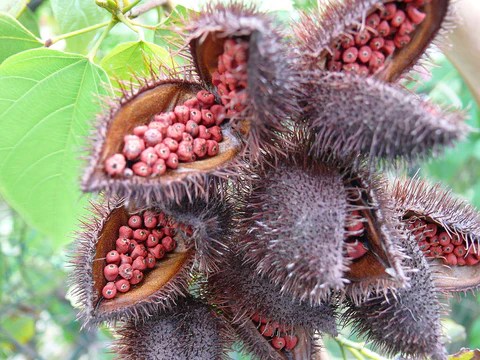
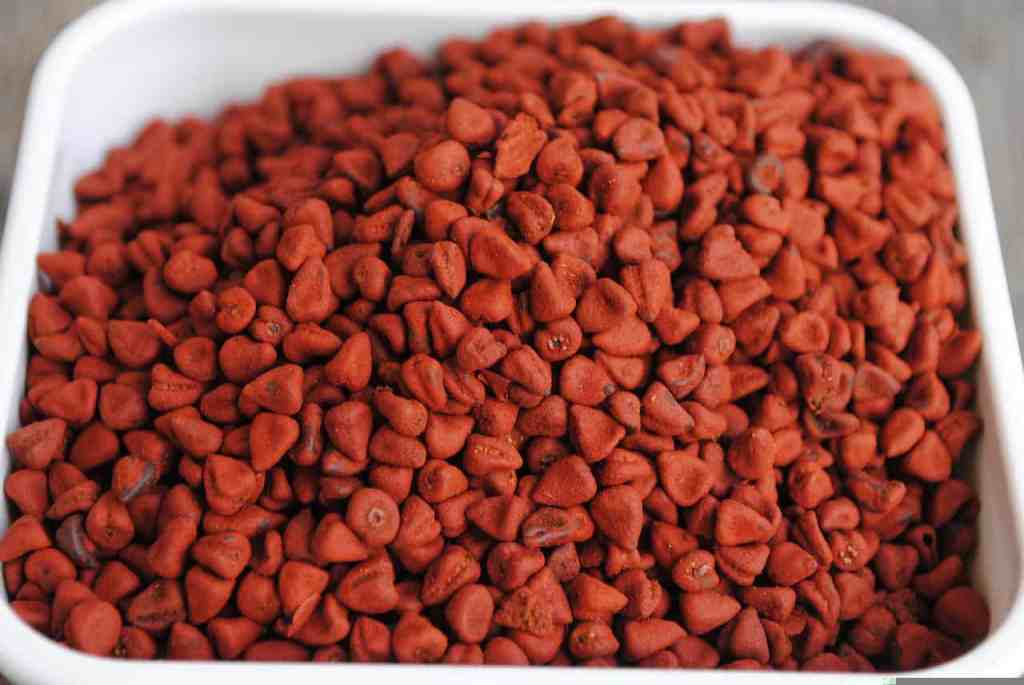
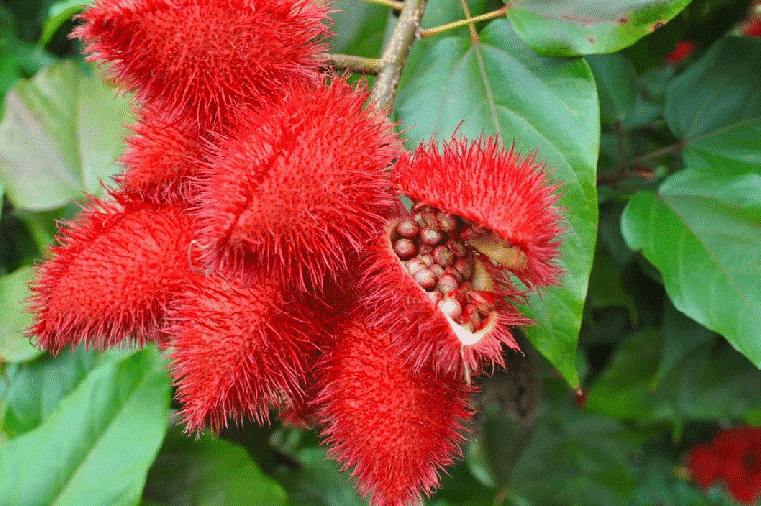
Achiote, with its tiny, vibrant red seeds, has been coloring the culinary canvas of Latin America for centuries. Known to some as annatto or onoto, it is more than a spice. It is the warmth of the sun made tangible, the color of fire held in the palm of your hand. Its flavor is subtle yet earthy, a gentle whisper that deepens the aroma of stews, rice, and marinades without overpowering them.
Long before it found its way into modern kitchens, achiote was treasured by ancient civilizations not only for its taste, but for its symbolism and magic.
The Maya and the Aztec prized these crimson seeds as much for their color as for their flavor. Achiote was used in sacred rituals, as body paint for warriors, and as a dye for fabrics. In some traditions, it was believed to hold protective powers, a blessing worn on the skin or stirred into food to guard against illness and misfortune. For many, its deep red was not just a pigment, but a reflection of life itself; of blood, vitality, and the eternal dance between the earth and the sun.
As colonization and trade reshaped the world, achiote traveled far beyond its native soil. It found its way into kitchens in the Philippines, the Caribbean, and parts of Africa, each culture folding it into their own traditions. In Puerto Rico, it colors fragrant arroz con gandules; in the Yucatán, it is the soul of cochinita pibil, slow-cooked pork infused with achiote’s earthy perfume. Across the globe, it appears quietly in cheeses, butters, and oils, adding color and warmth that many may not even realize comes from a seed with such an ancient lineage.
Achiote is also a reminder of the balance between beauty and survival. In the modern spice trade, small-scale farmers work tirelessly to preserve traditional growing methods, even as industrial demand pressures them to adapt. Its cultivation supports rural communities, yet its value is often overlooked compared to more glamorous spices. Still, those who work with it know its worth, in the way it brightens a plate, in the stories it carries from one generation to the next, in the way it links us to the hands of ancestors who once harvested it under the same sun.
For me, cooking with achiote is like inviting the sun into the kitchen. Watching a pot of rice turn into a warm golden hue reminds me that flavor is not only something we taste, but something we see, smell, and feel. Achiote brings with it an intimacy, a connection between the cook and the dish, between the dish and the people who will share it. It is an ingredient that speaks softly but leaves a lasting impression, like a memory you did not realize you were carrying until it unfolds in a single bite.
What about you? Have you ever cooked with achiote or tasted a dish transformed by its color and flavor? Share your story in the comments, I would love to know what this tiny but powerful seed means to you.
Thanks for reading, Marco.
Photos sourced from the web
 The Culinary Chronicle
Leave a comment