By Marco Antoima – The Culinary Chronicle
Cacao is much more than the source of chocolate; it is a rich symbol of history, culture, and connection that has traveled across centuries and continents. The story of cacao begins over three thousand years ago in the tropical rainforests of Central and South America, where the ancient Olmec people, one of the earliest civilizations in the Americas, first discovered and cultivated the cacao tree.
But it was the Maya and later the Aztec civilizations that elevated cacao to a sacred status, using it in rituals, ceremonies, and as currency. The Maya believed cacao was a divine gift from the gods. They often prepared a bitter, frothy drink infused with spices for their rulers and priests during important ceremonies. The Aztecs, too, revered cacao as the “food of the gods,” associating it with fertility, vitality, and power. They believed that cacao had magical properties that could heal the sick, increase wisdom, and bring spiritual insight.
Cacao pods were so valuable they were used as currency. Cacao drinks were reserved for nobility, warriors, and even used in wedding ceremonies to bless unions. When the Spanish conquistadors arrived in the 16th century, they encountered cacao and brought it back to Europe where sugar was added, transforming the bitter drink into the sweet chocolate we know today.
From Europe, cacao spread worldwide, becoming a beloved ingredient in countless cultures with unique interpretations. Italian rich chocolate desserts, African cacao-based stews and beverages, and many others emerged.
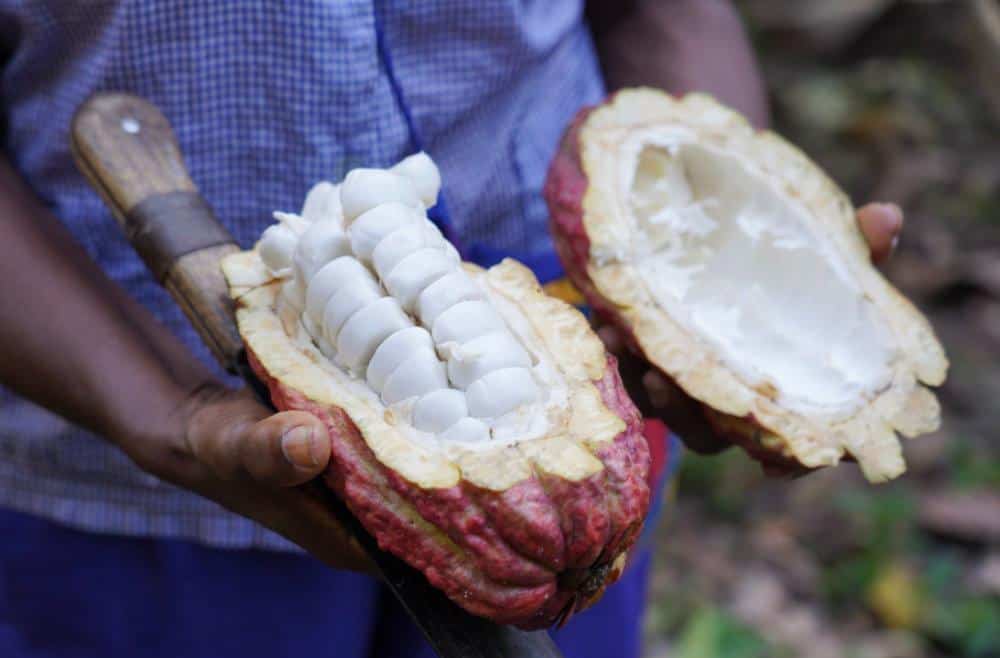
Despite its global fame, the cultivation of cacao remains rooted in tradition and hard labor, mostly in tropical regions like West Africa, Latin America, and Southeast Asia. Cacao farming carries both promise and struggle, as farmers face economic challenges and environmental changes, but their work keeps the heart of cacao alive.
For example, in regions like Ghana and Côte d’Ivoire, which produce the majority of the world’s cacao, farmers often contend with fluctuating market prices, lack of access to fair trade opportunities, and the environmental impacts of deforestation. These challenges have sparked movements focused on sustainable farming practices and ethical sourcing to protect both the land and the livelihoods of farmers.
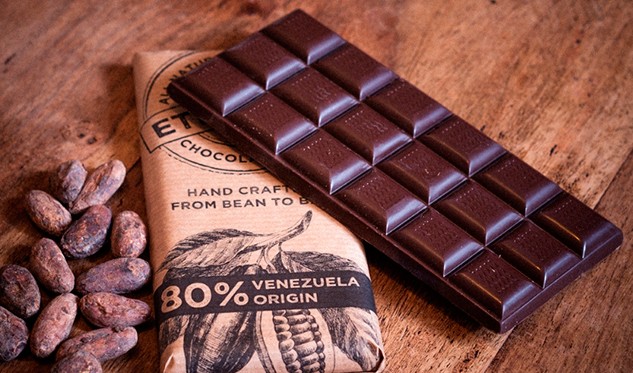
Culturally, cacao remains central to celebrations and daily life. In Venezuela, for instance, cacao is not only an economic resource but a symbol of national pride, with artisanal producers crafting fine chocolates that honor indigenous techniques. In Mexico, the tradition of preparing champurrado, a warm, spiced cacao drink enjoyed during holidays like Día de los Muertos and Christmas, connects families to their ancestors and shared heritage.
Across the globe, cacao also carries emotional resonance. Its aroma can evoke memories of comfort, love, and togetherness. For me, cacao is a living memory, a thread that ties together the past and present with its bittersweet taste and intoxicating aroma. Every bite or sip is a tribute to the ancient hands that first harvested its pods, to the farmers who continue to nurture it, and to the rituals and stories that keep its spirit alive.
What does cacao or chocolate mean to you? Is there a flavor, a smell, or a memory that takes you back to a special place or time? Share your story in the comments below!
Thank you for reading, Marco.
Photos sourced from the web
 The Culinary Chronicle
Leave a comment