By Marco Antoima – The Culinary Chronicle
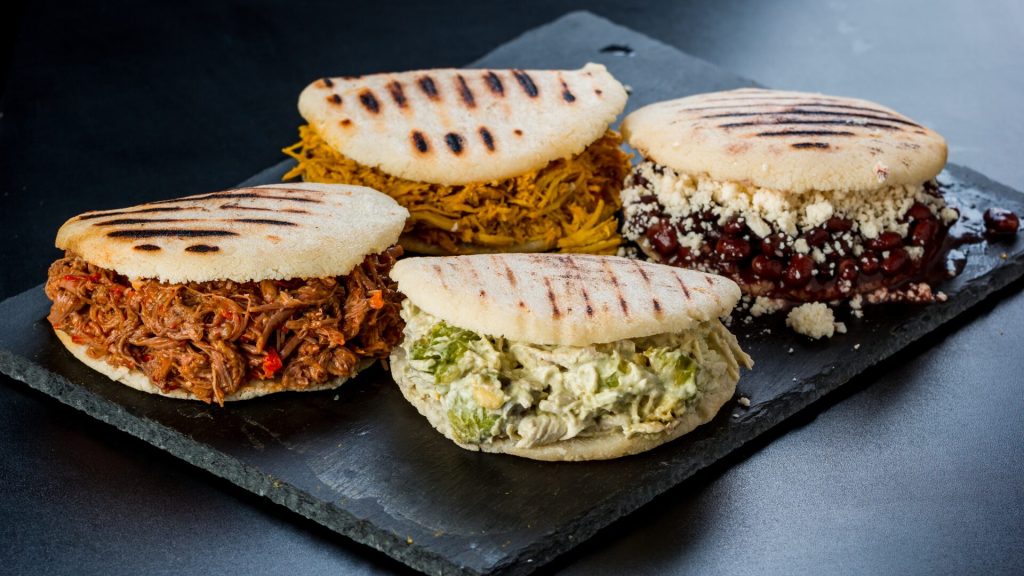
I can still remember the sound, the gentle sizzle of an arepa hitting the hot budare in my childhood kitchen in Caracas. The air would fill with that warm, slightly sweet aroma of cornmeal cooking, and I knew breakfast was close. It wasn’t just food; it was comfort, tradition, and home all wrapped into one round, golden disk.
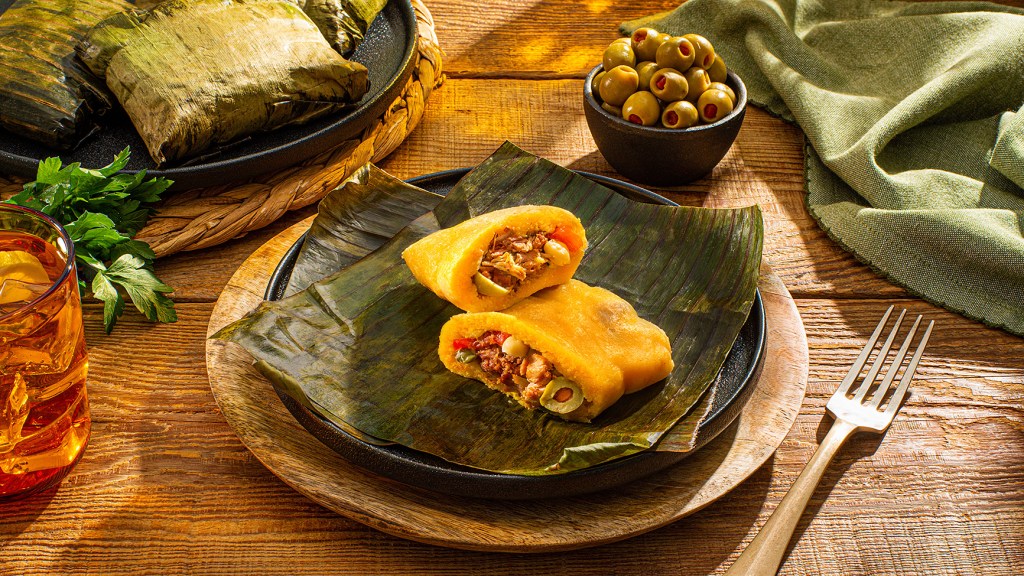
My own history with corn starts even earlier, at Christmas. Hallacas have always been one of my favorite meals in the whole world, and like most Venezuelans would say, “my mom’s hallacas are the best.” The flavor was just perfect, layers of slow-cooked stew wrapped in silky corn dough, bundled in banana leaves. It’s been nine Christmases since I’ve tasted hers. We’ve lived in different parts of the world for almost a decade now, and it’s not just the ingredients I miss, it’s the love that comes with them. The way she seasons (su sazón), the care in every fold, the laughter and music that fill the kitchen, and yes, even the slight annoyance that comes when it’s just the two of us doing the work of five people. Hallaca making is a lot of work, fun but hard work, and every batch feels like both a labor of love and a marathon.
I’ve tried other hallacas, from restaurants, from catering businesses, and yes, they’re good. But they always feel like they’re missing a heartbeat. My palate was shaped in my mother’s kitchen; if she liked something, I usually did too. Some of her “pickiness” rubbed off on me, not about trying new things but about protecting the integrity of a dish. For example, those thick chunks of onions, carrots, and peppers that some people use to “decorate” hallacas? To us, they don’t add anything. They break up the texture and make the dish feel less cohesive. My father, on the other hand, is more “4×4” (Venezuelan slang for someone who’s ready for anything), especially when it comes to food. He’s less particular, always happy to enjoy whatever’s in front of him. He grew up in a big family with little money, so he learned to appreciate what was available. Between them, I inherited both a deep respect for authentic flavor and an openness to the joy of a good meal in any form.
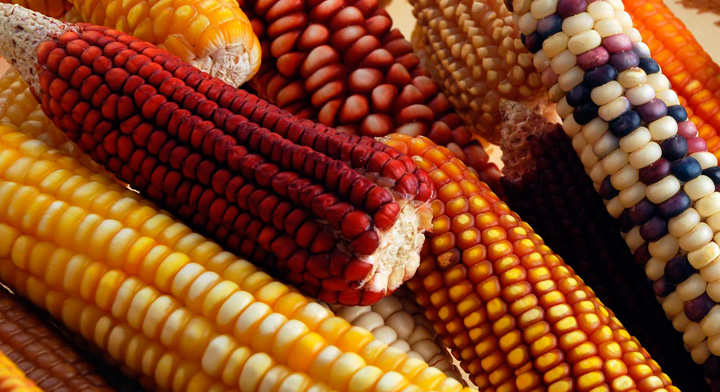
Long before it reached my Venezuelan plate, corn was already shaping civilizations. Domesticated in Mesoamerica over 9,000 years ago, it became the foundation of great cultures like the Maya and Aztec. In the Popol Vuh, the sacred book of the Maya, humans were said to be created from corn dough, flesh from white corn, blood from red corn. To them, corn wasn’t simply sustenance; it was the essence of life itself. As corn spread through the Americas, it adapted to countless climates and culinary traditions, becoming the grain that united the hemisphere.
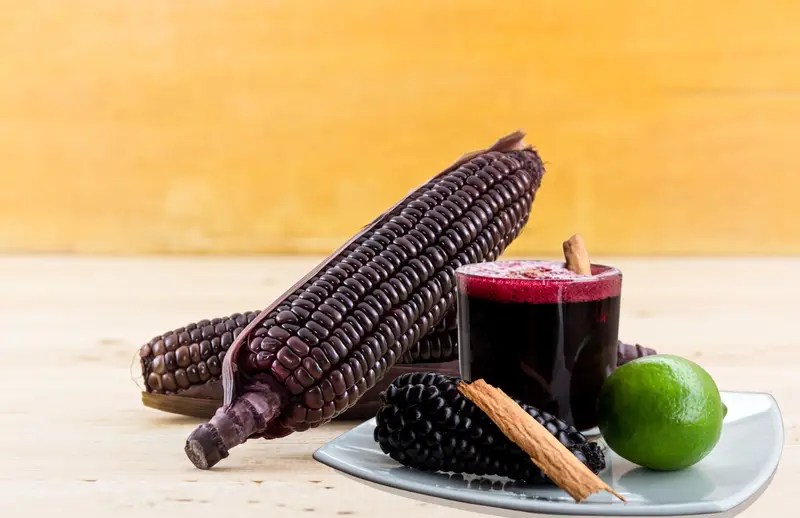
Corn’s magic lies in its versatility. In Venezuela alone, it appears as arepas, cachapas, hallacas, empanadas, and mazamorra. In Mexico, it becomes soft tortillas, smoky tamales, and grilled elotes dripping with cheese and chili. In Peru, choclo con queso pairs giant kernels with fresh Andean cheese, and chicha morada transforms purple corn into a sweet, spiced drink. Colombia has its own range of arepas and desserts, each region giving the grain its own twist. From fresh kernels to masa dough, from street food to fine dining, corn transforms itself while always keeping that familiar taste of home.
Behind every arepa or tortilla is a story that begins in the soil. Corn farming has sustained entire communities for centuries, and many families still plant, harvest, and process it using traditional methods. One of the most fascinating processes is nixtamalization, soaking corn in an alkaline solution to unlock its nutrients and transform it into masa. This technique, developed thousands of years ago, is still used today, proof of how ancient knowledge continues to nourish us.
Corn’s journey didn’t stop in the Americas. When it crossed the ocean after the 15th century, it quickly adapted to kitchens around the world. In Italy, it became polenta. In southern Africa, sadza. In the southern United States, cornbread. No matter where it went, corn offered the same gift: a base that could be humble or elaborate, rustic or refined, always nourishing body and spirit.
Corn is more than a crop, it’s memory, culture, survival, and innovation. It feeds families, tells stories, and holds traditions together across generations. For me, every time I press arepa dough between my palms, I feel connected to my mother’s kitchen, to my father’s open spirit, to the hands carefully folding an hallaca, to the farmers who grow the grain, and to the ancient hands that first planted those golden seeds. Corn may have different names in different countries, but to all of us, it feels like home.
What about you? Does corn or another food hold a special place in your family’s kitchen? I would love to hear your stories and traditions. Please share them in the comments below.
Thanks for reading, Marco.
Photos sourced from the web
 The Culinary Chronicle
Leave a comment